Bengal Slow Loris Ecology and Conservation Project
Project info
Title
Bengal slow loris ecology and conservation.
Year
2019
Funding
Zoo Karlsruhe, Zoo Augsburg, Re:wild
Collaborators
DBRCLAB - Delta Biodiversity research lab
Principal Investigator:
Hassan Al Razi
Coprincipal investigator:
Marjan Maria
Research Assistants:
Rifat Ahmed Rabbi, Sadia Afrin Shimu
Research objectives
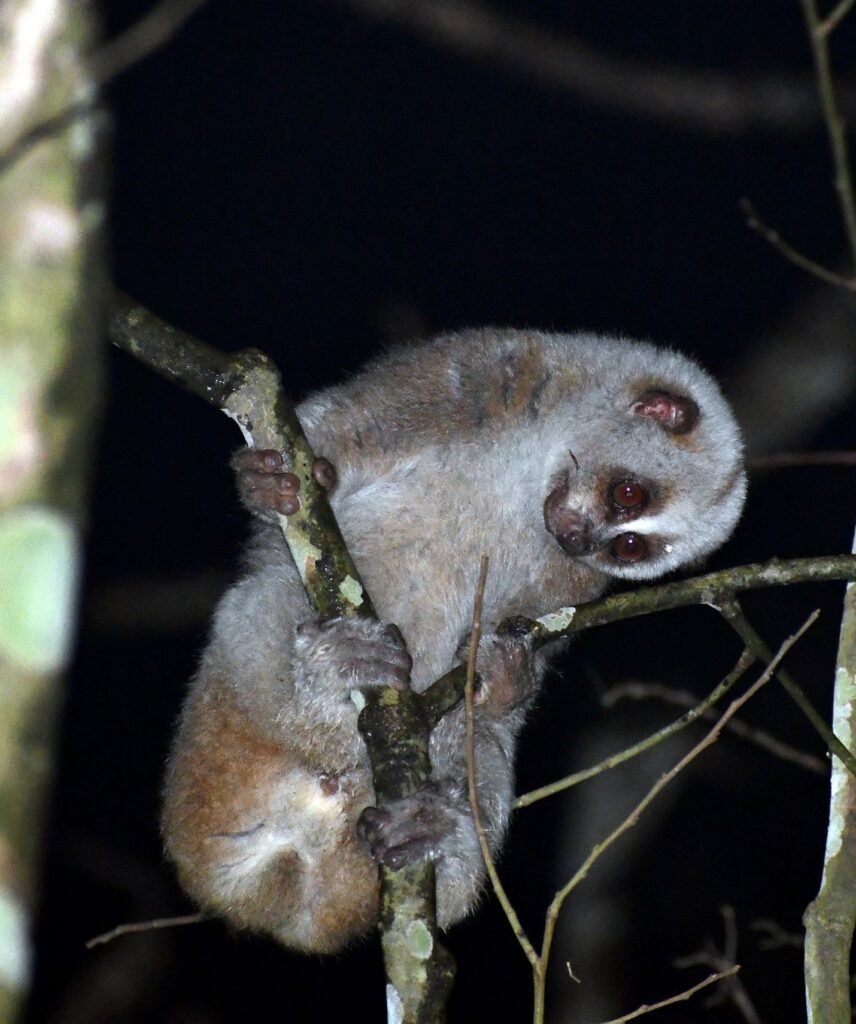
The main mission of the Bengal Slow Loris Ecology and Conservation Project is to ensure the long-term survival of the Bengal slow loris (Nycticebus bengalensis) in Bangladesh by integrating ecological research, conservation initiatives, and community engagement.
Ecological Understanding: Conducting scientific studies to better understand the behavioural ecology, habitat requirements, and population dynamics of the Bengal slow loris.
Conservation Action: Protecting the species and its habitat through habitat restoration, anti-poaching measures, and policy advocacy.
Community Involvement: Raising awareness and fostering local community participation to reduce threats like illegal wildlife trade and habitat destruction.
Capacity Building: Training local researchers and conservationists to enhance efforts in primate conservation and promote sustainable coexistence between wildlife and humans.
Results
Publications
Nijman, V., Morcatty, Thais, Q., El Bizri, Hani, R., Al-Razi, H., Ang, A., Ardiansyah, A., et al. (2023) Global online trade in primates for pets. Environmental Development 100925.
Project impact
Ecological and Behavioral Research
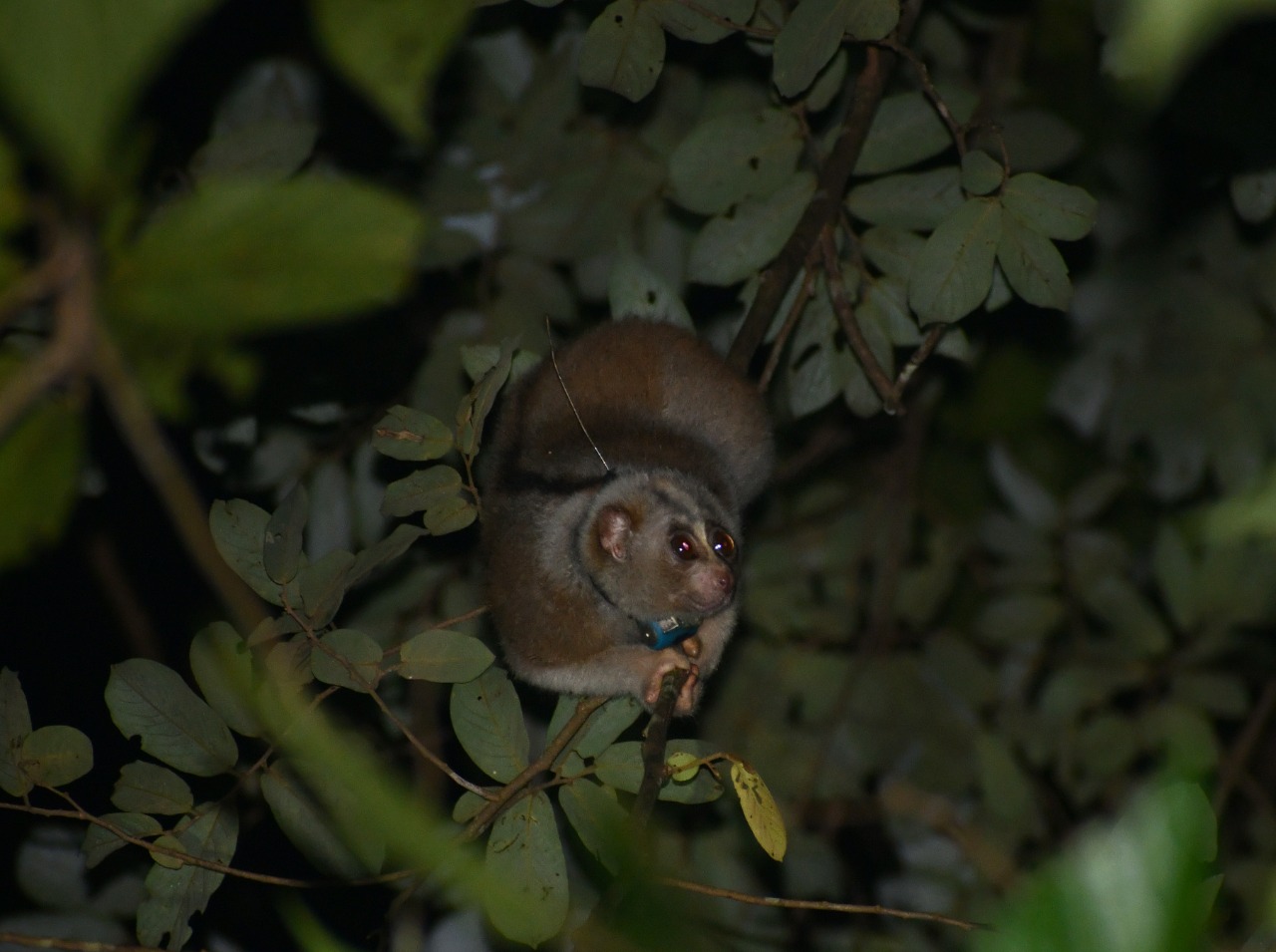
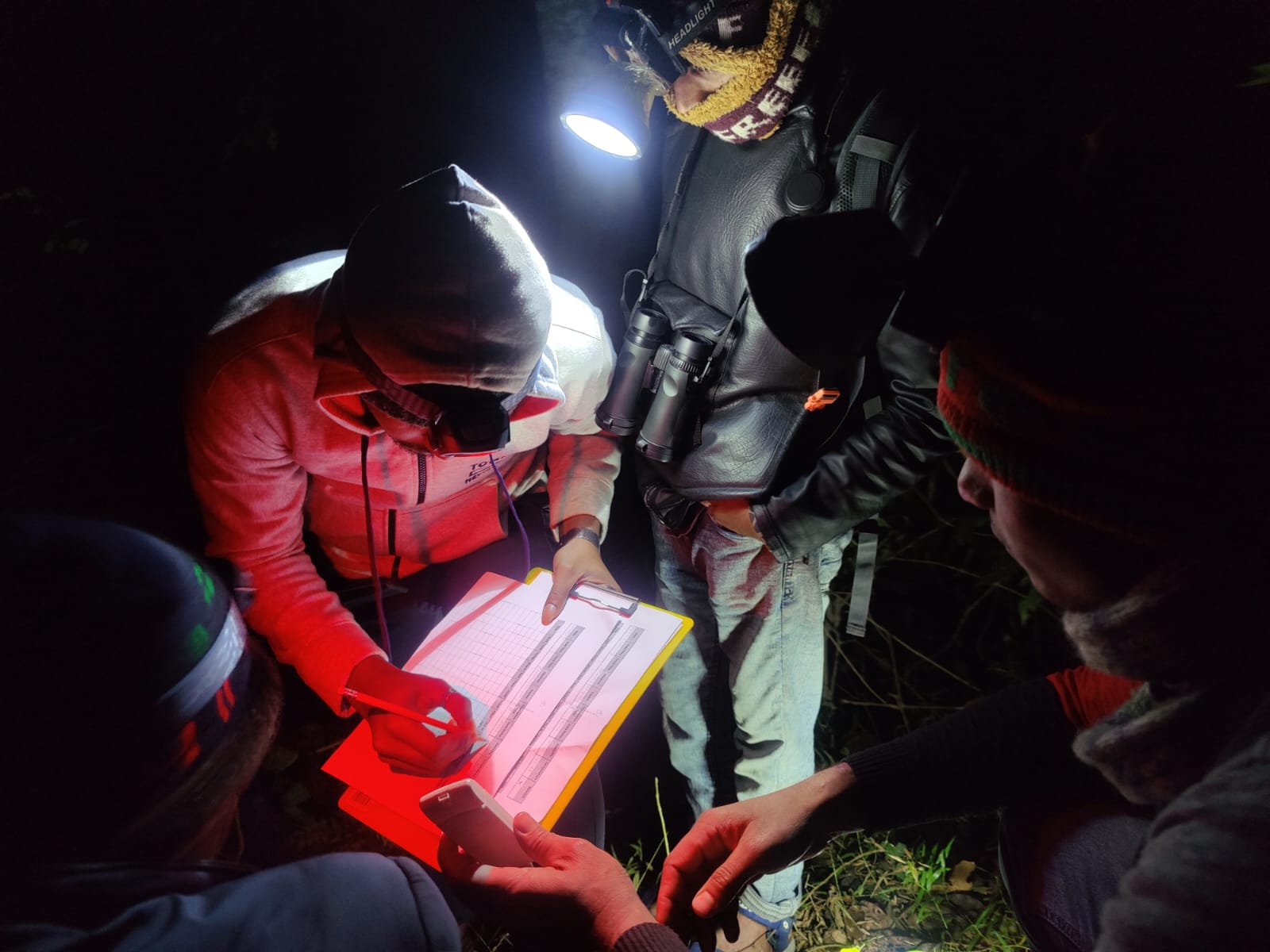
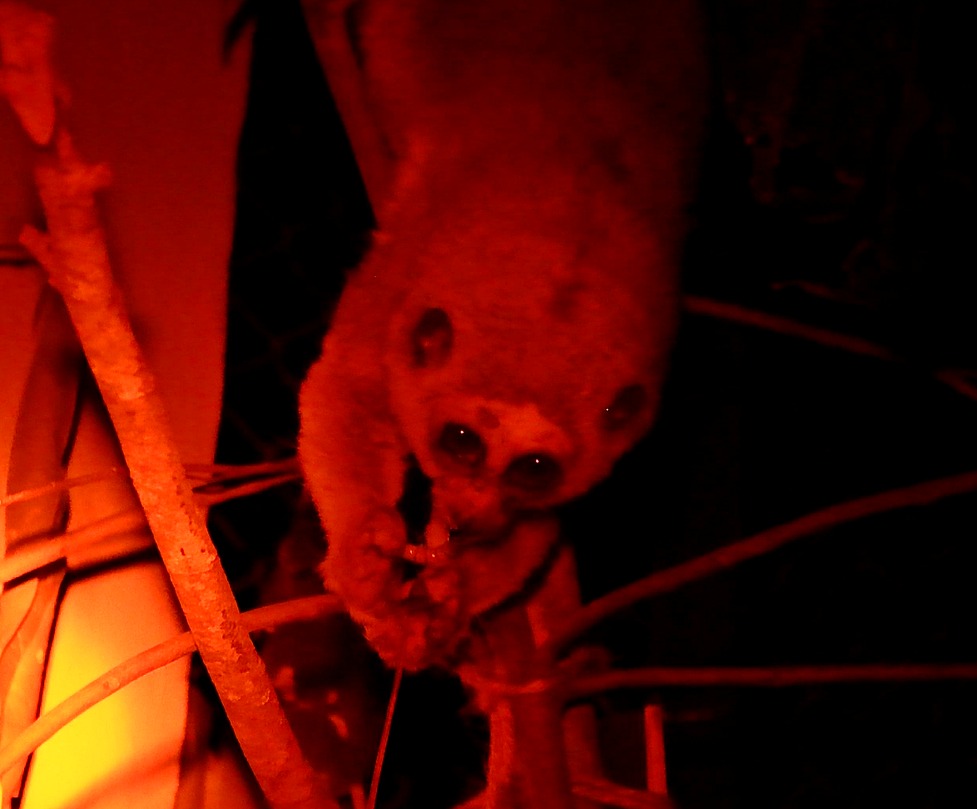
Conducting field studies to understand the distribution, habitat use, and movement patterns of wild and confiscated Bengal slow loris. Investigating their feeding ecology, including their diet, preferred food sources, and seasonal variations. Studying their social structure and nocturnal behaviour, including vocalisations, interactions, and breeding habits. We are doing all of these using radio tracking device.
Conservation Action
Working with local law enforcement to curb the illegal pet trade and wildlife trafficking. Advocating for forest protection to mitigate habitat loss due to deforestation and agricultural expansion.
Community Outreach and Education
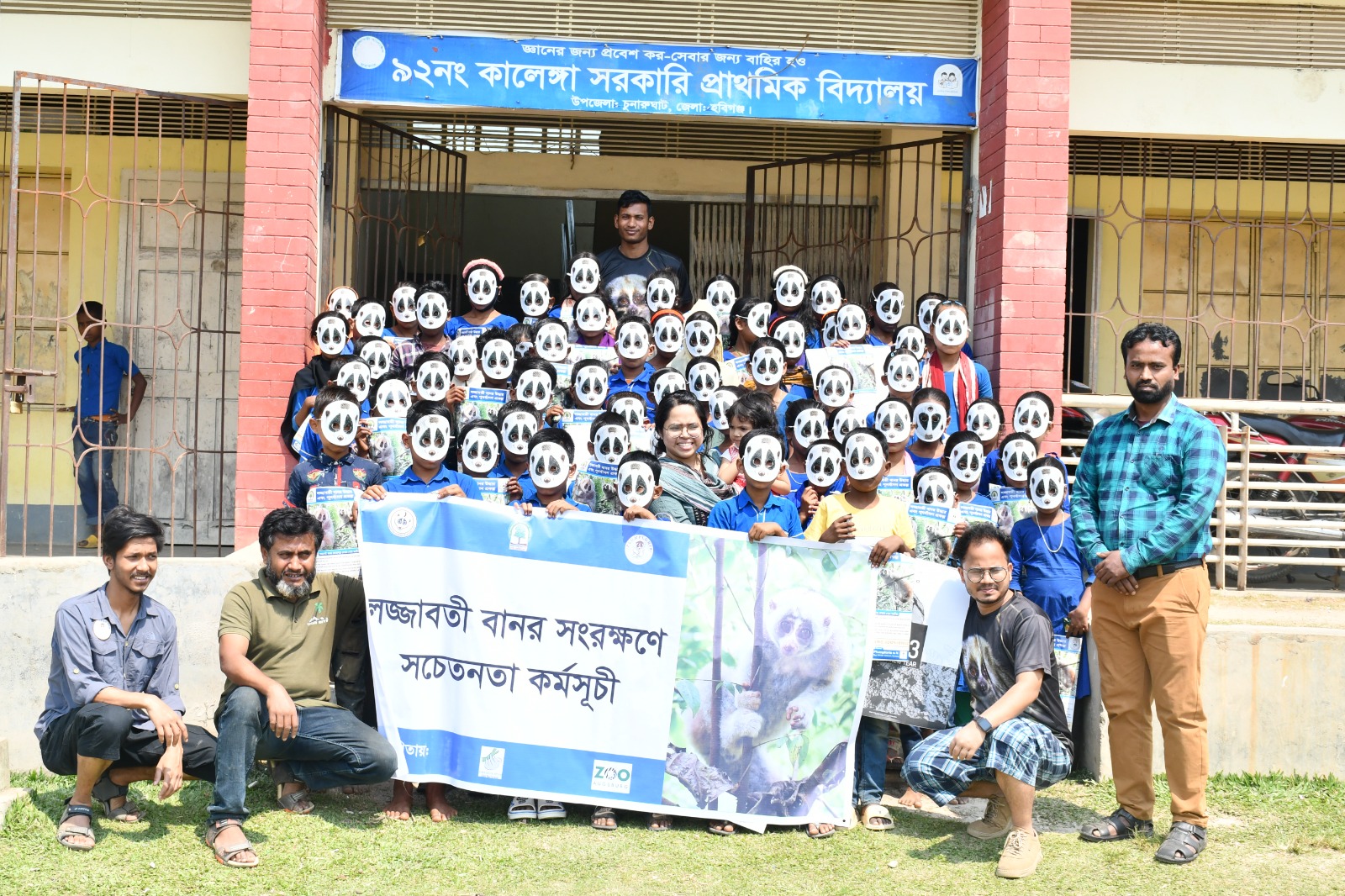
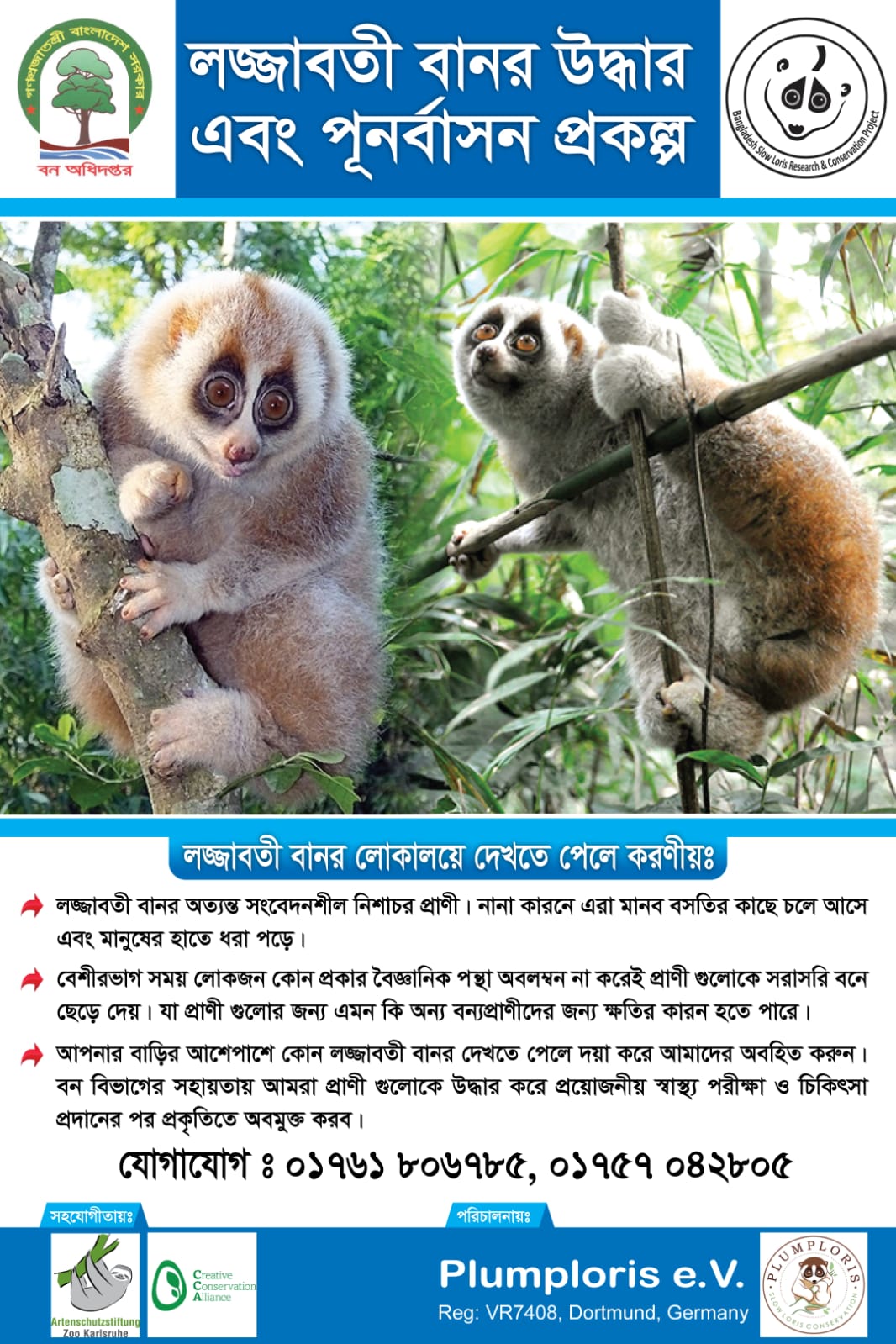
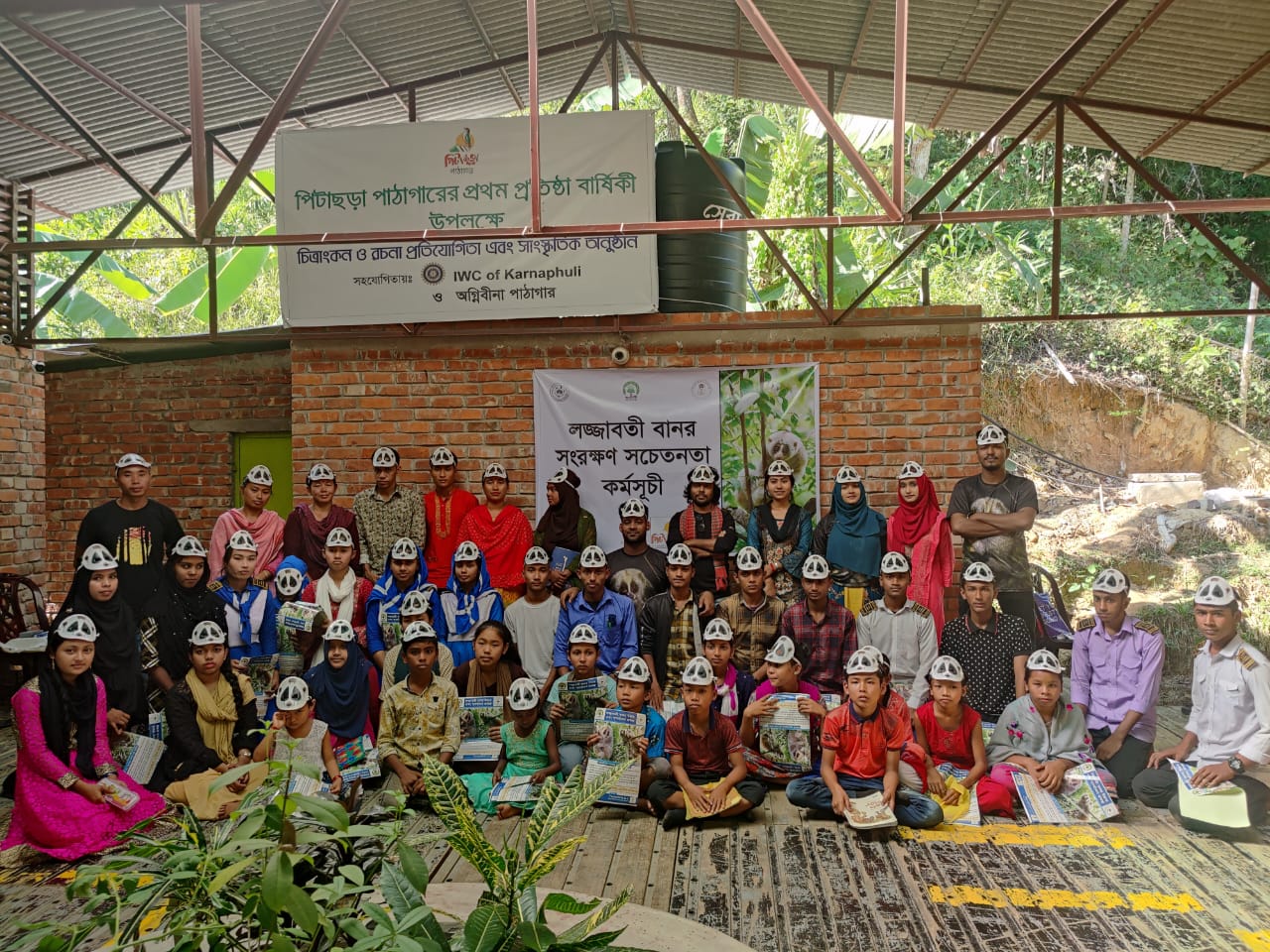
Organising awareness campaigns to inform local communities about the ecological importance of slow lorises and the threats they face. Encouraging sustainable practices among local communities to reduce habitat destruction and human-wildlife conflict. Producing educational materials, including posters, leaflets, and documentaries, to raise awareness at the national and local levels. Conducting school programs and workshops for youth to instil a conservation ethic.
Capacity Building
Training students, conservationists, and local researchers in field research techniques, wildlife monitoring, and conservation strategies. Collaborating with universities and conservation organisations to build a network of primate research and conservation experts.
Rescue and Rehabilitation
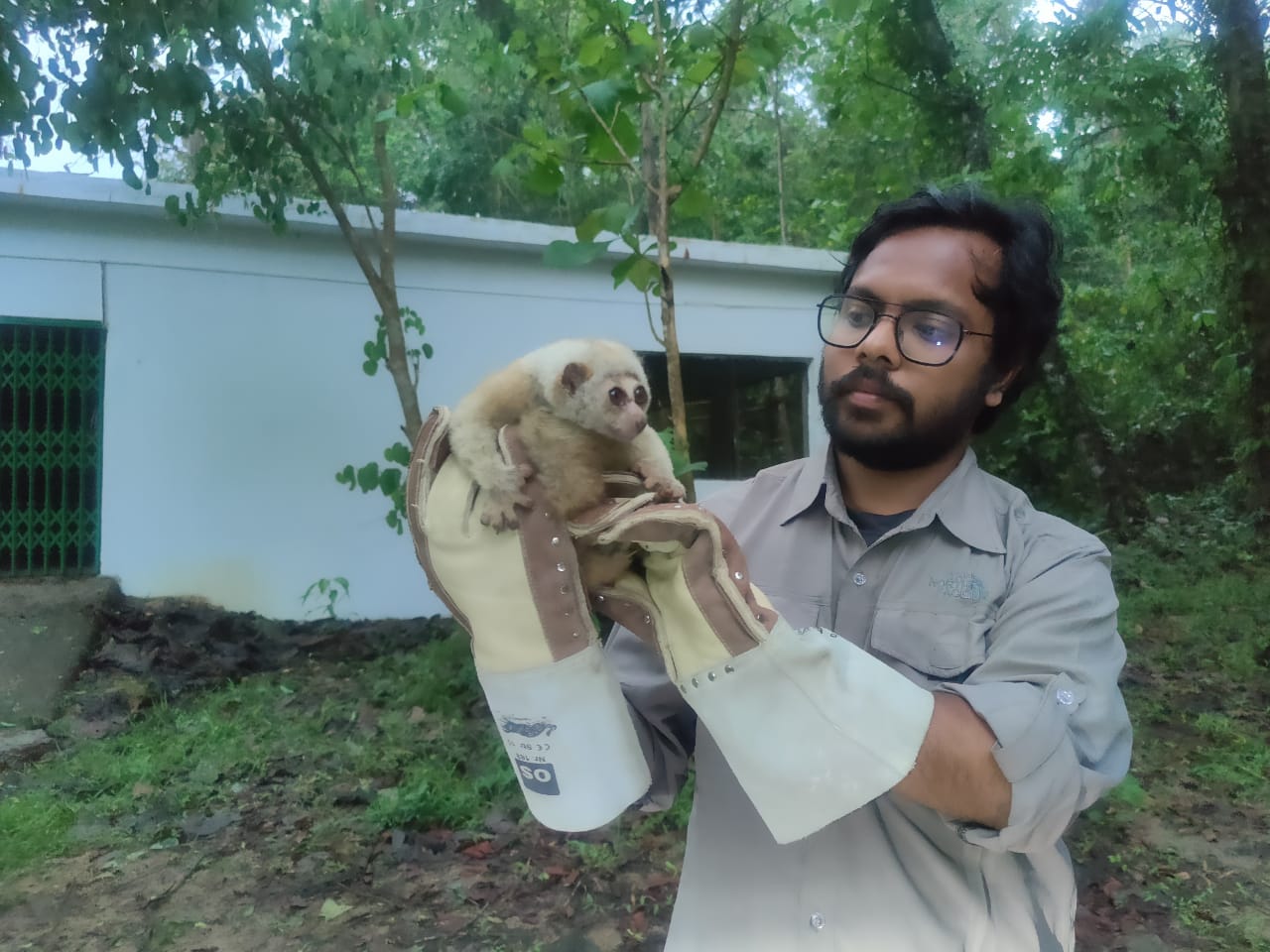
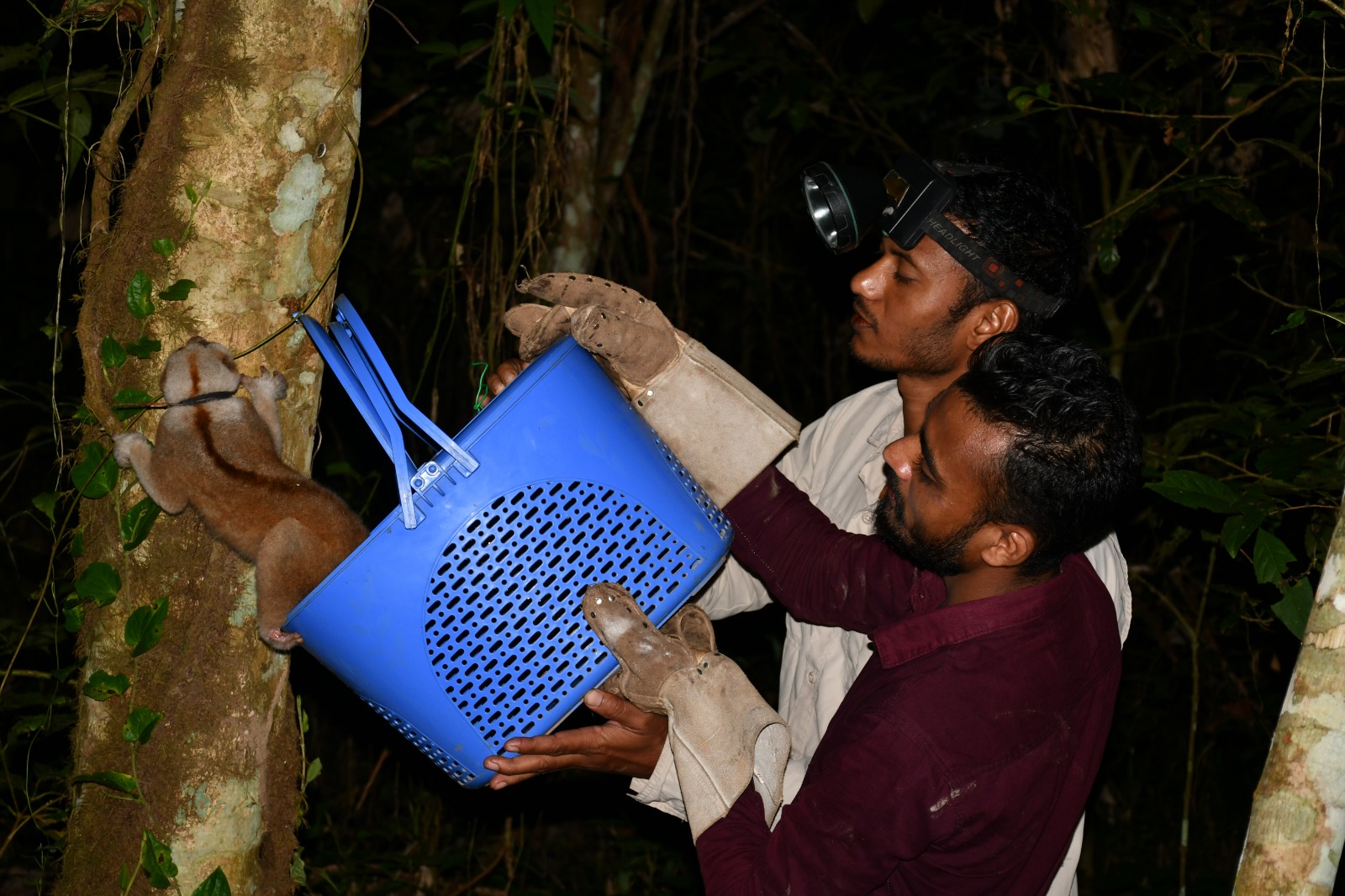
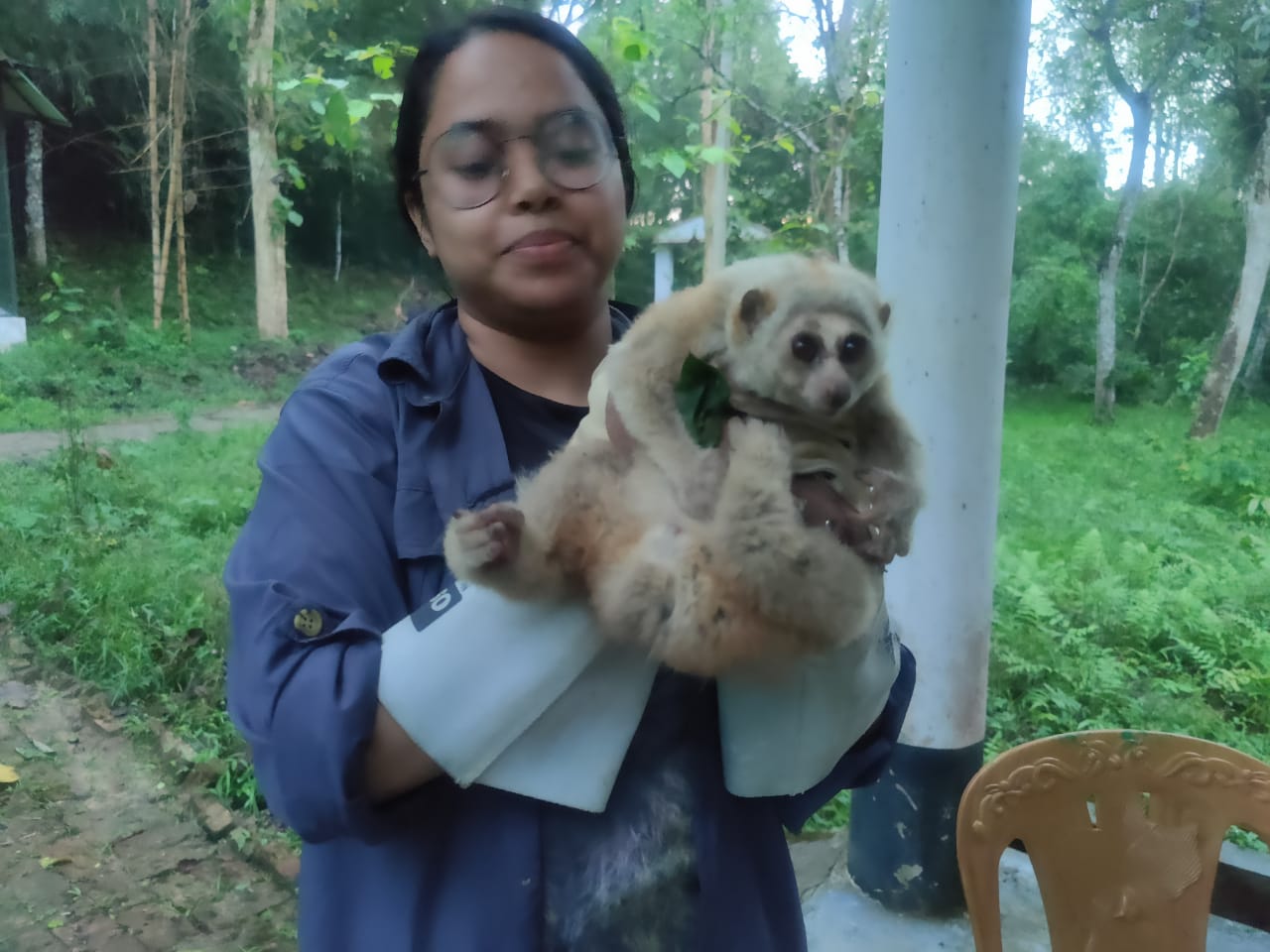
Assisting with the rescue and rehabilitation of confiscated or injured slow lorises, ensuring their proper care and release back into suitable habitats when possible