The primary objective of the artificial canopy bridge project in Bangladesh is to reduce primate mortality caused by habitat fragmentation and roadkill while promoting the safe movement of arboreal species across fragmented habitats. Specifically, the objectives include:
The project began with identifying key locations where arboreal wildlife, especially primates like hoolock gibbons and Phayre’s langurs, were frequently crossing roads or facing habitat fragmentation. Surveys were conducted to understand wildlife movement patterns, and GIS tools were used to map forest patches, potential crossing points, and high-risk areas for roadkill incidents.
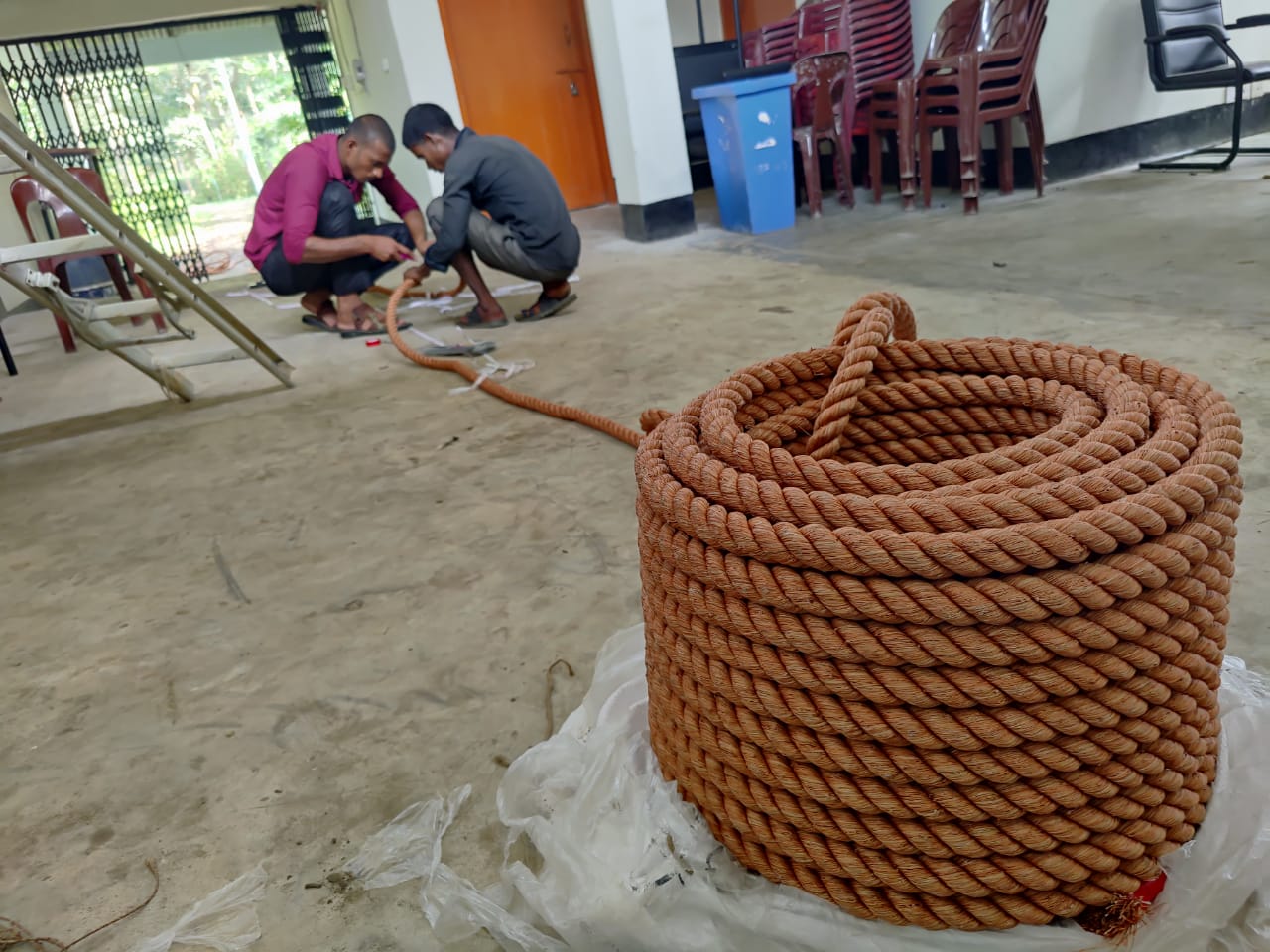
Once critical sites were identified, the team designed artificial canopy bridges using materials such as ropes, and synthetic fibers that mimicked natural structures. These bridges were installed between tree canopies on either side of roads or fragmented forest patches to provide safe pathways for arboreal species, ensuring durability and compatibility with local environmental conditions.
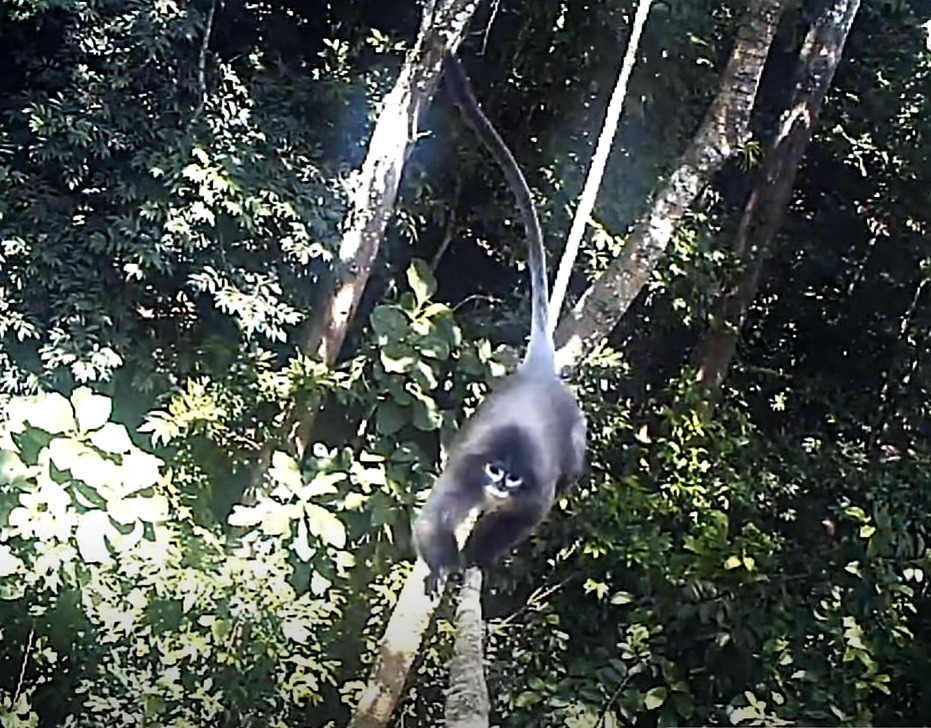
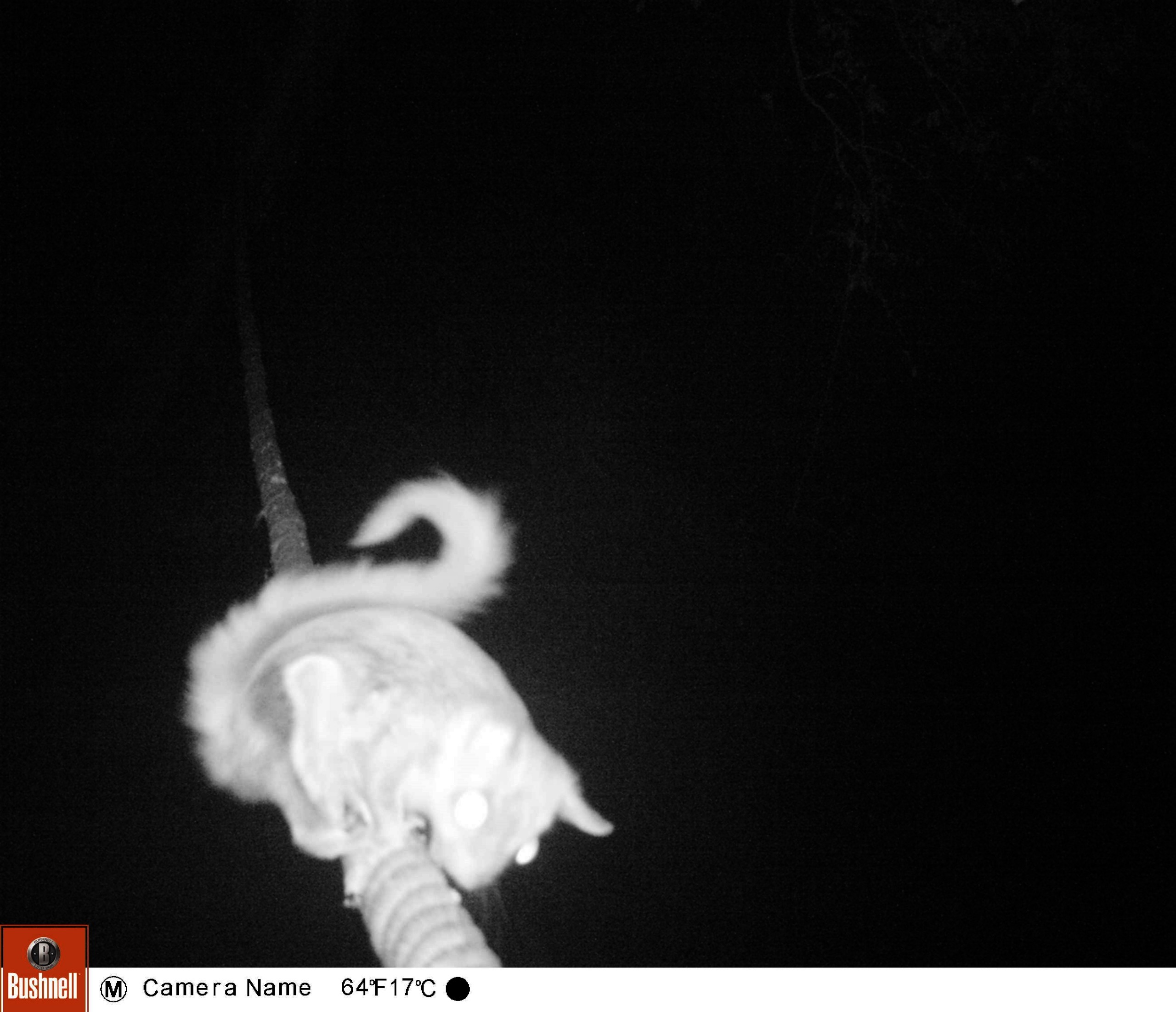
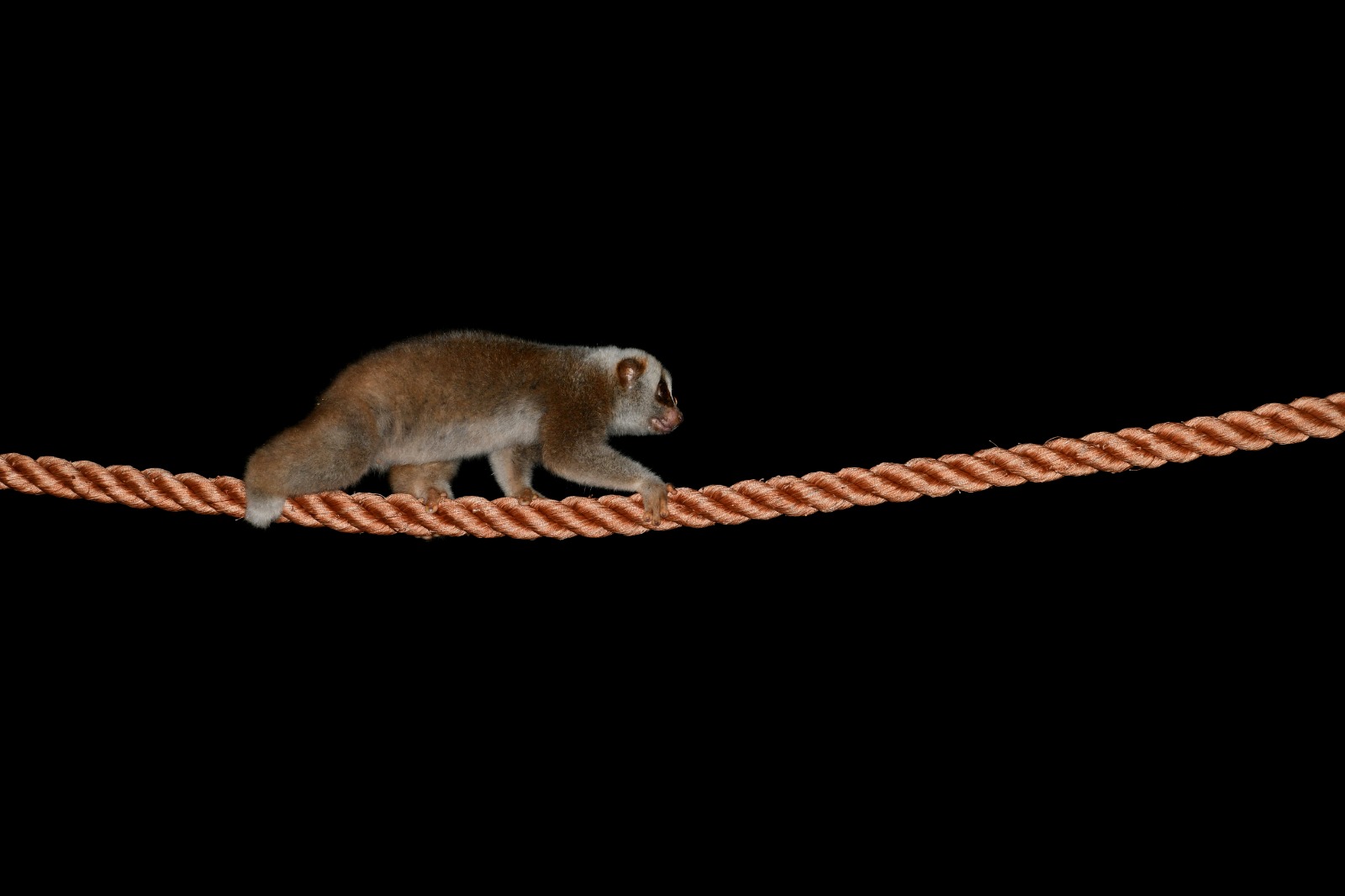
After installation, the usage of the bridges was closely monitored using camera traps and field observations. This helped record which species were using the bridges, how often, and in what manner. Data were also collected on wildlife behavior, movement patterns, and roadkill incidents to evaluate the effectiveness of the intervention.
Local communities played an integral role in the project. Efforts were made to educate residents about the importance of the canopy bridges and their role in conserving biodiversity. Stakeholders from nearby areas were involved in the bridge installation and maintenance, fostering a sense of ownership and shared responsibility for protecting wildlife.
The project emphasized detailed scientific analysis to understand the effectiveness of the bridges. Data collected from monitoring activities were analyzed to evaluate their impact on wildlife movement and habitat connectivity. Findings were published in scientific journals to share insights with the broader conservation community and promote evidence-based practices.
The project team collaborated with government agencies, NGOs, and infrastructure developers to advocate for wildlife-friendly policies. By showcasing the success of the artificial canopy bridges, the project provided a practical model for mitigating the impacts of roads and habitat fragmentation on wildlife, encouraging similar measures in other regions and future infrastructure projects.
Regular maintenance was essential to ensure the long-term functionality of the bridges. The team conducted periodic inspections, repaired or replaced damaged materials, and continued monitoring to track the sustainability and effectiveness of the intervention. This ensured that the bridges remained a viable solution for conserving wildlife in fragmented habitats