
The primary objective of the artificial canopy bridge project in Bangladesh is to reduce primate mortality caused by habitat fragmentation and roadkill while promoting the safe movement of arboreal species across fragmented habitats. Specifically, the objectives include:
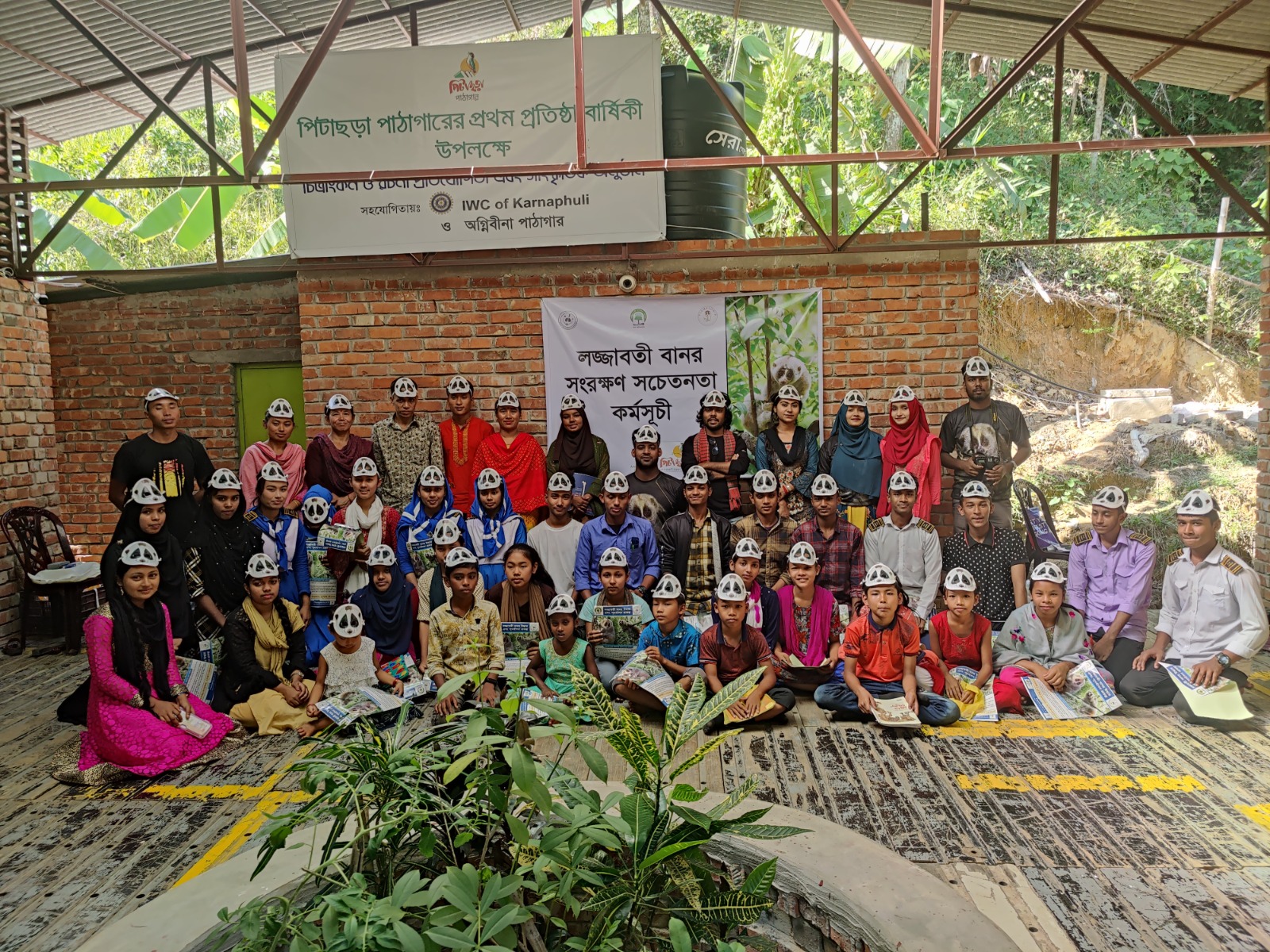
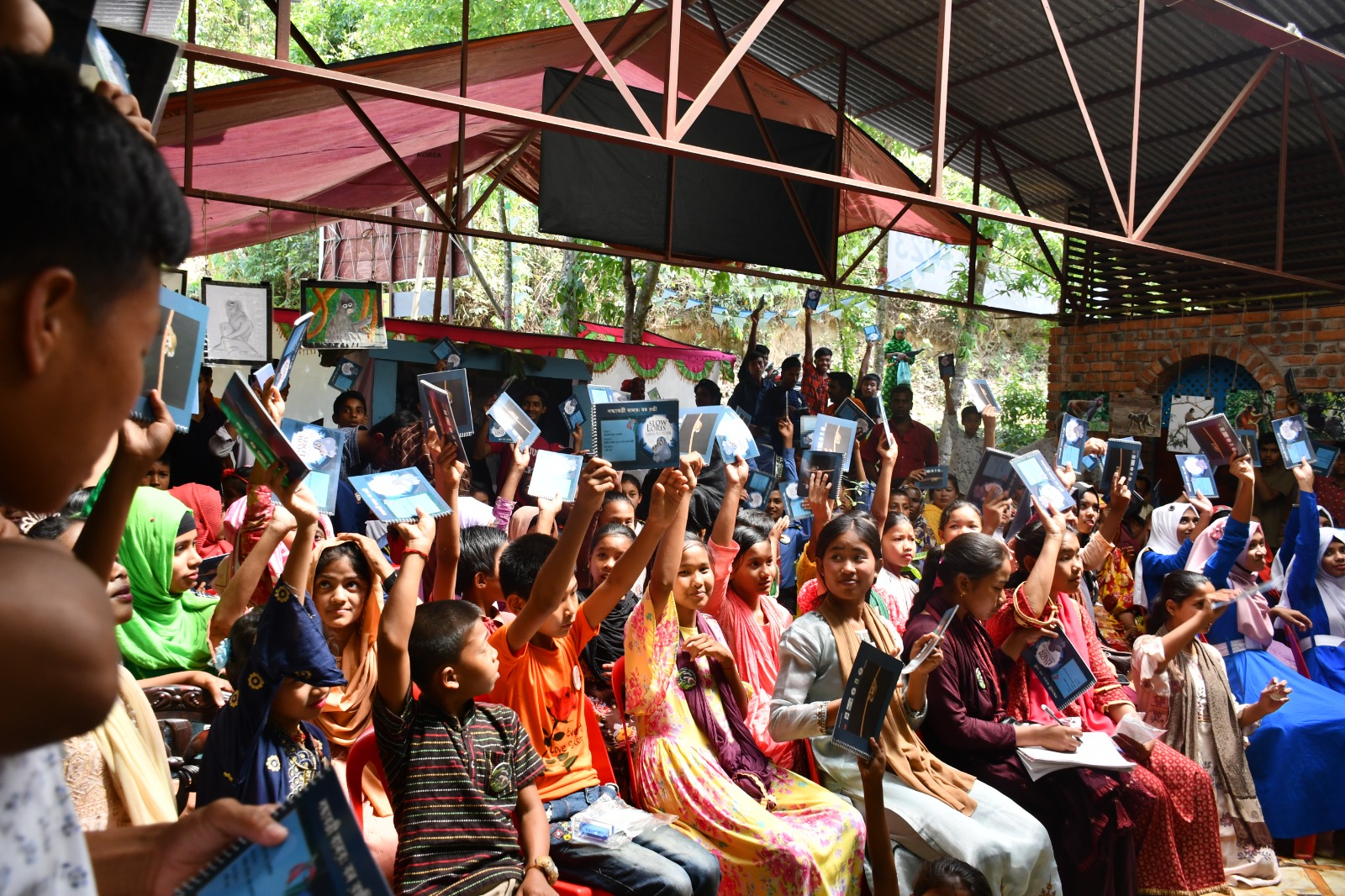
This project aims to educate local communities living near forested areas about the importance of primates and their role in the ecosystem. Through awareness campaigns, workshops, and interactive sessions, the project seeks to reduce harmful practices such as illegal wildlife trade, hunting, and habitat destruction. By fostering understanding and appreciation for primates, these initiatives encourage communities to become active participants in conservation efforts.
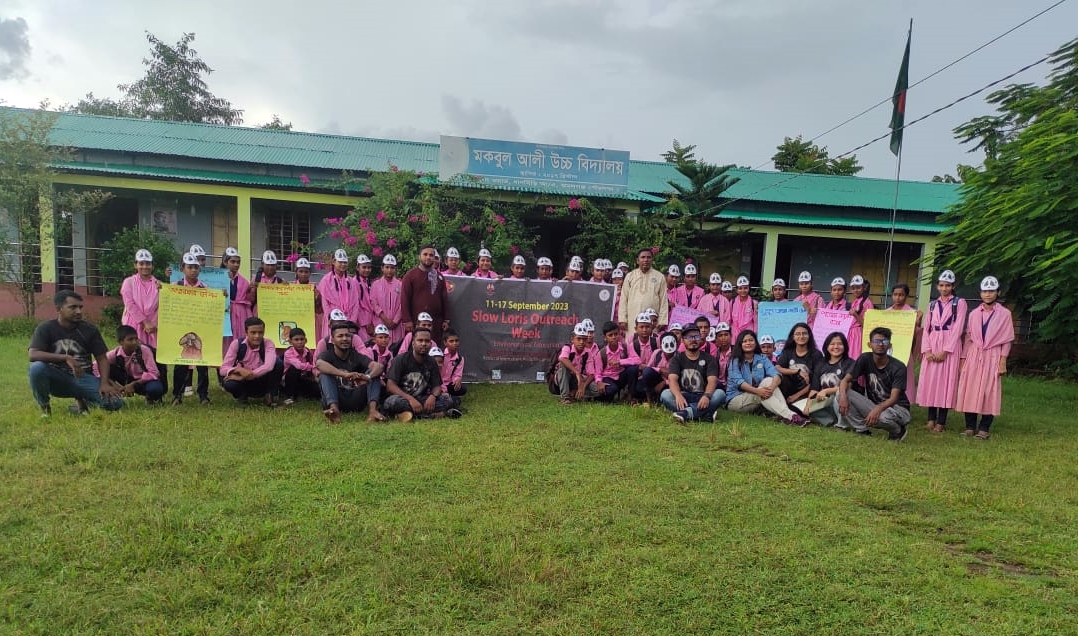
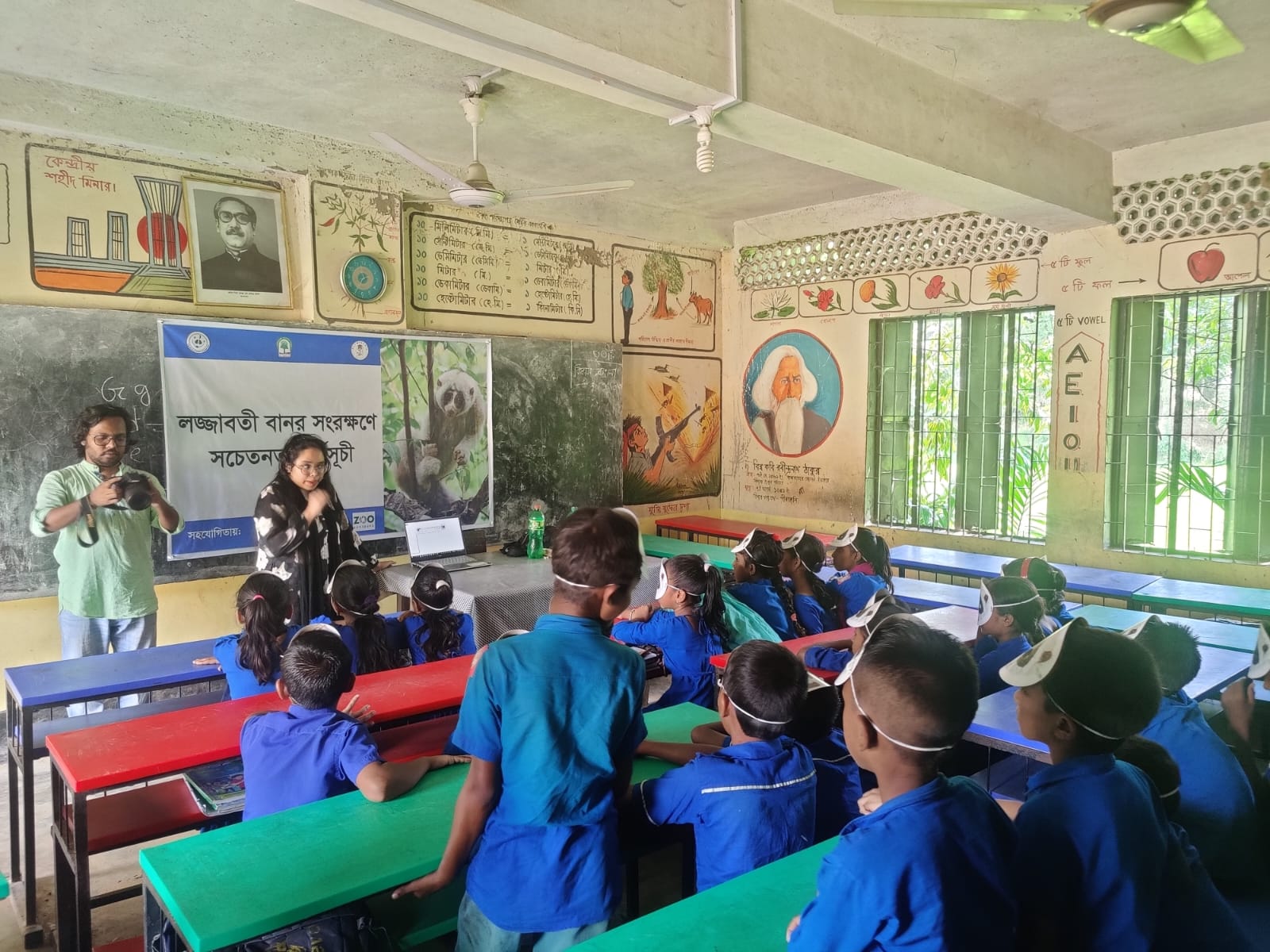
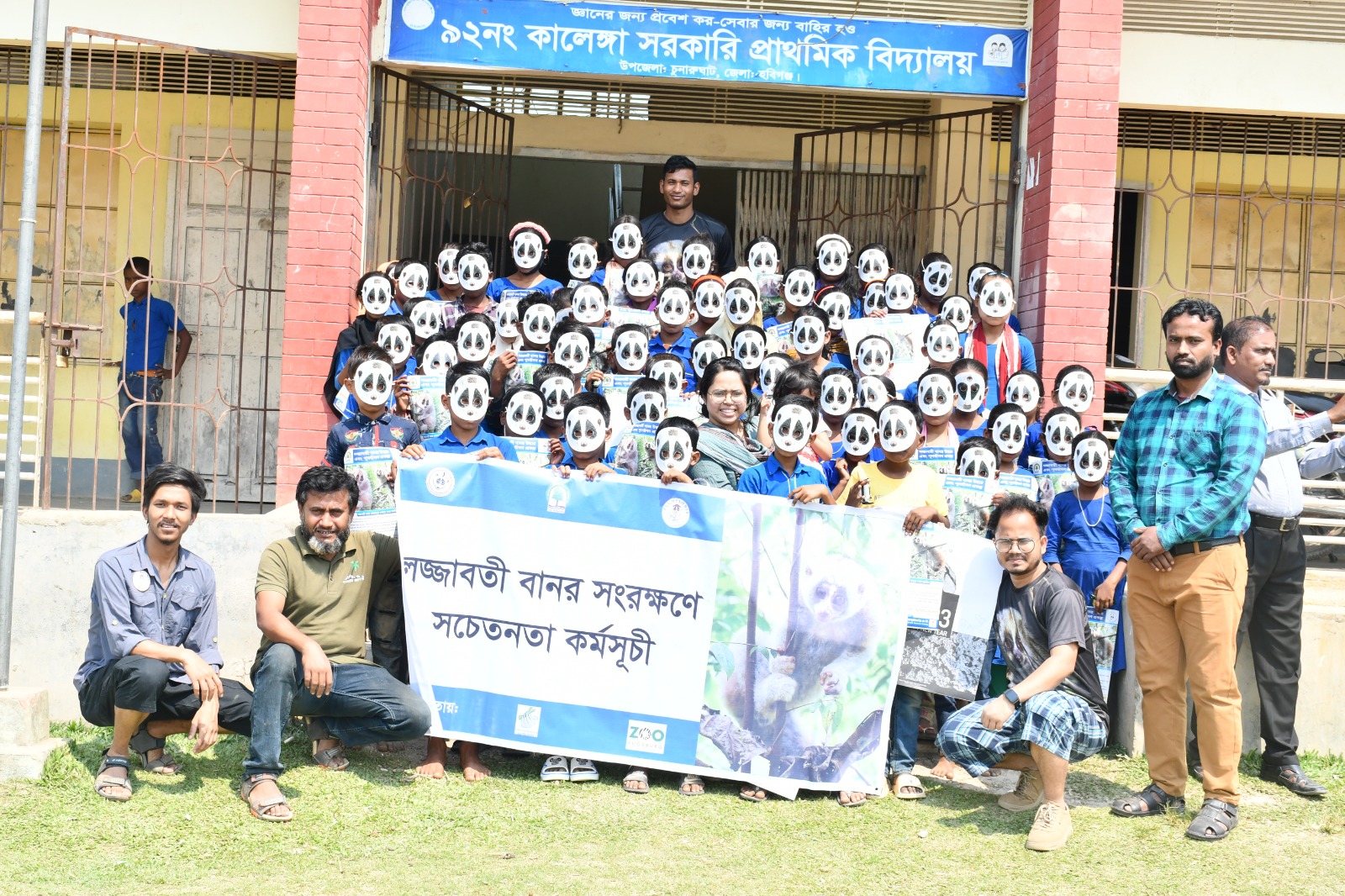
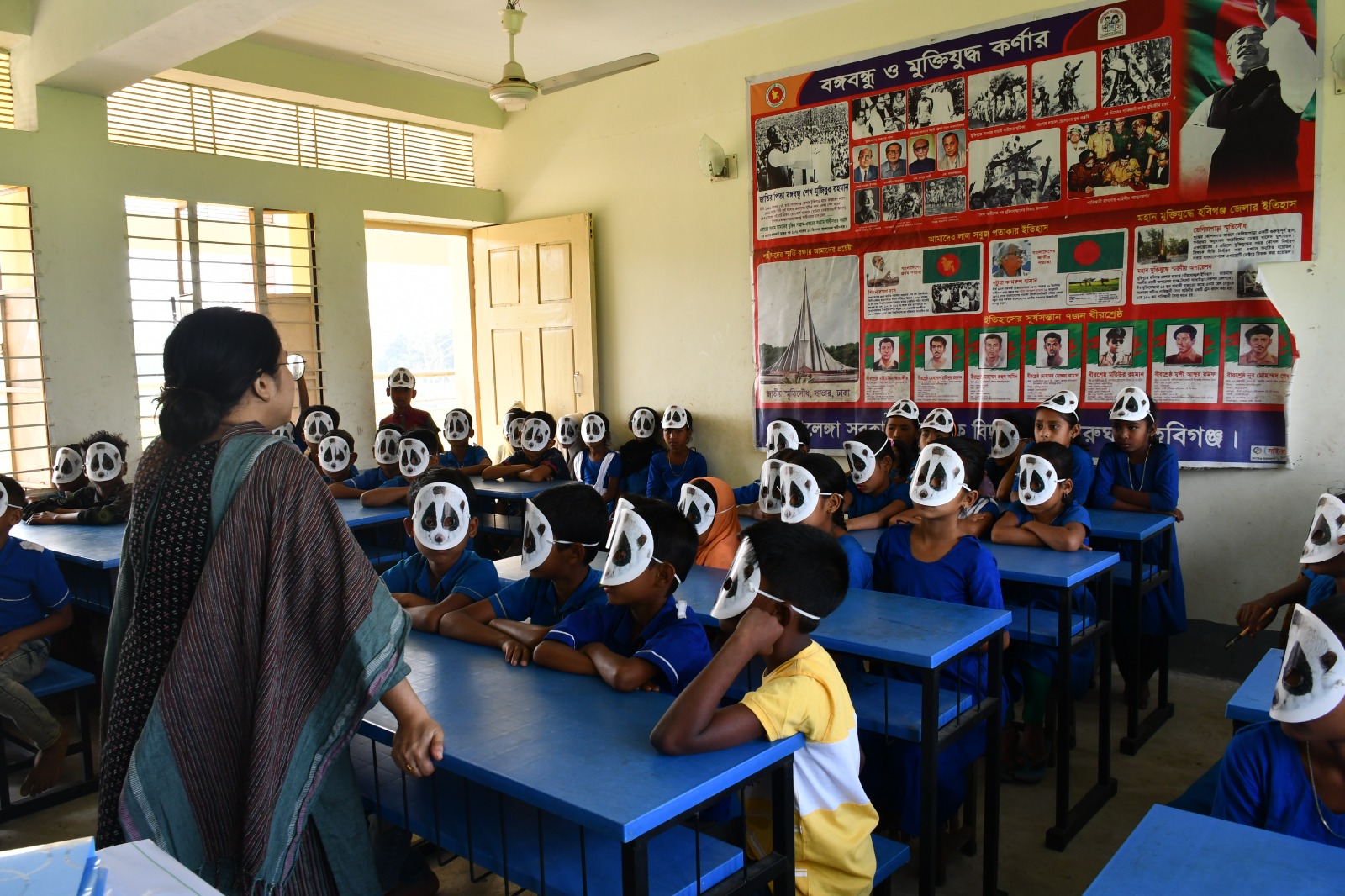
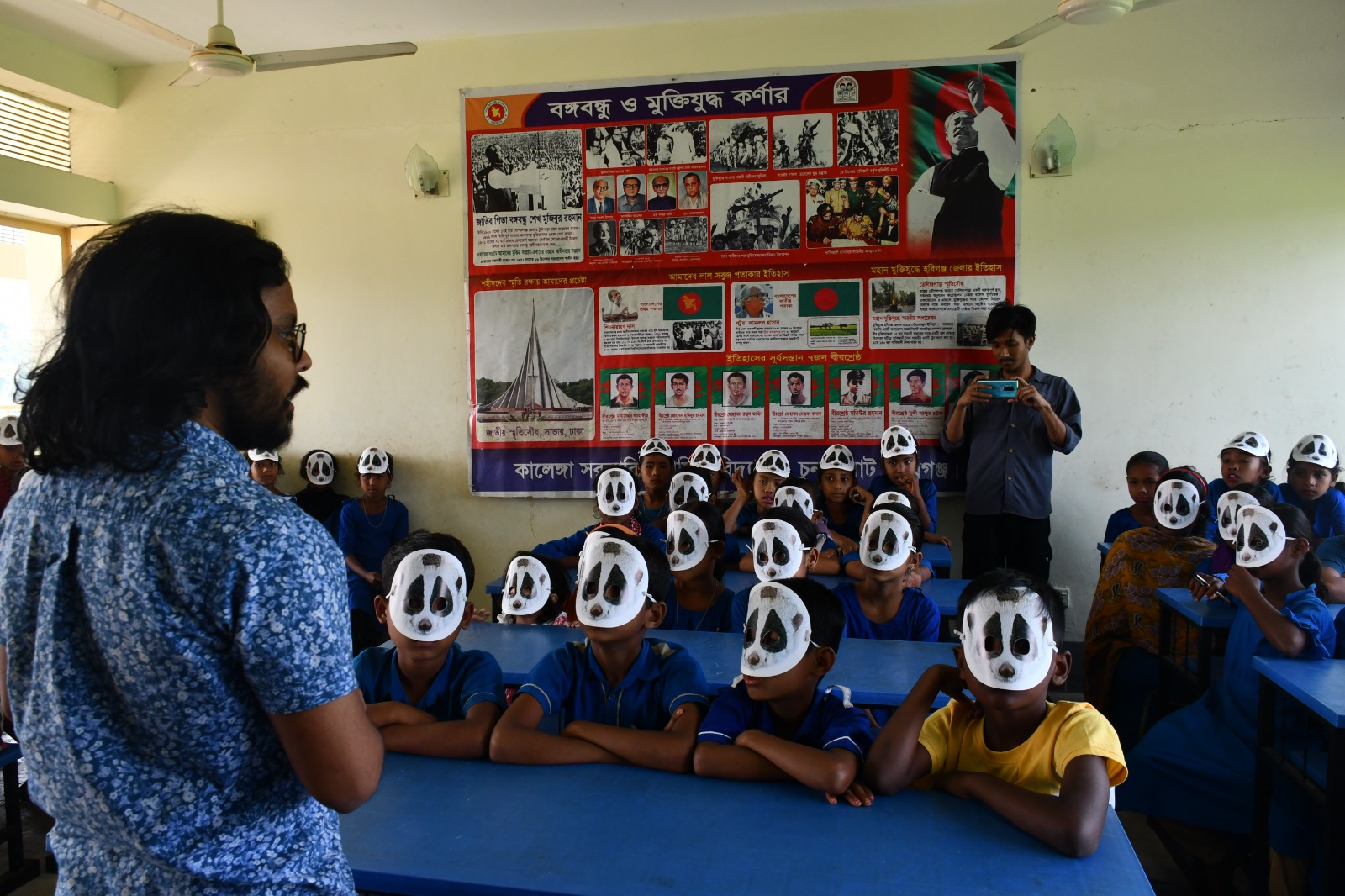
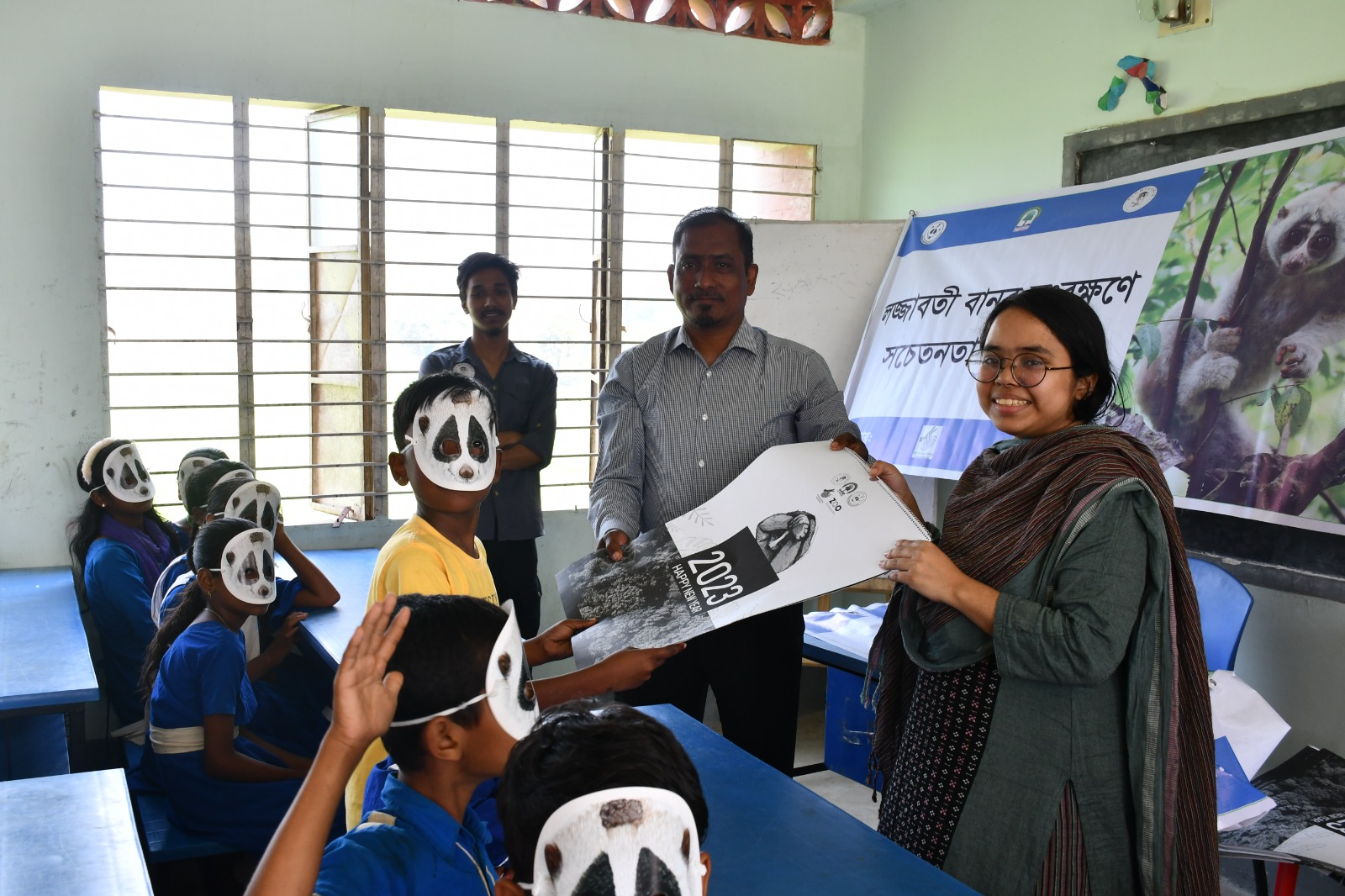
One of the primary objectives of this project is to introduce the younger generation to wildlife conservation principles, with a focus on primates and broader biodiversity. The project collaborates with schools to organize lectures, fun activities, and nature education programs. These efforts aim to instil a sense of stewardship for wildlife among children, inspiring them to care for their natural environment from an early age.
Raising awareness about the rescue and rehabilitation of slow lorises is another key goal of this project. The project seeks to inform people about the importance of protecting injured or confiscated lorises and why these animals should not be kept as pets. By sharing success stories and outcomes of rescued and rehabilitated lorises, we encourages public support for rehabilitation programs and discourages practices that harm these animals.
Addressing cultural myths and harmful practices surrounding slow lorises is an essential part of the project’s mission. We work to challenge misconceptions, such as the belief in the medicinal properties of lorises or their use as exotic pets. Using culturally relevant messaging, including folklore and storytelling, the project promotes coexistence and encourages people to adopt behaviors that benefit both slow lorises and their habitats.
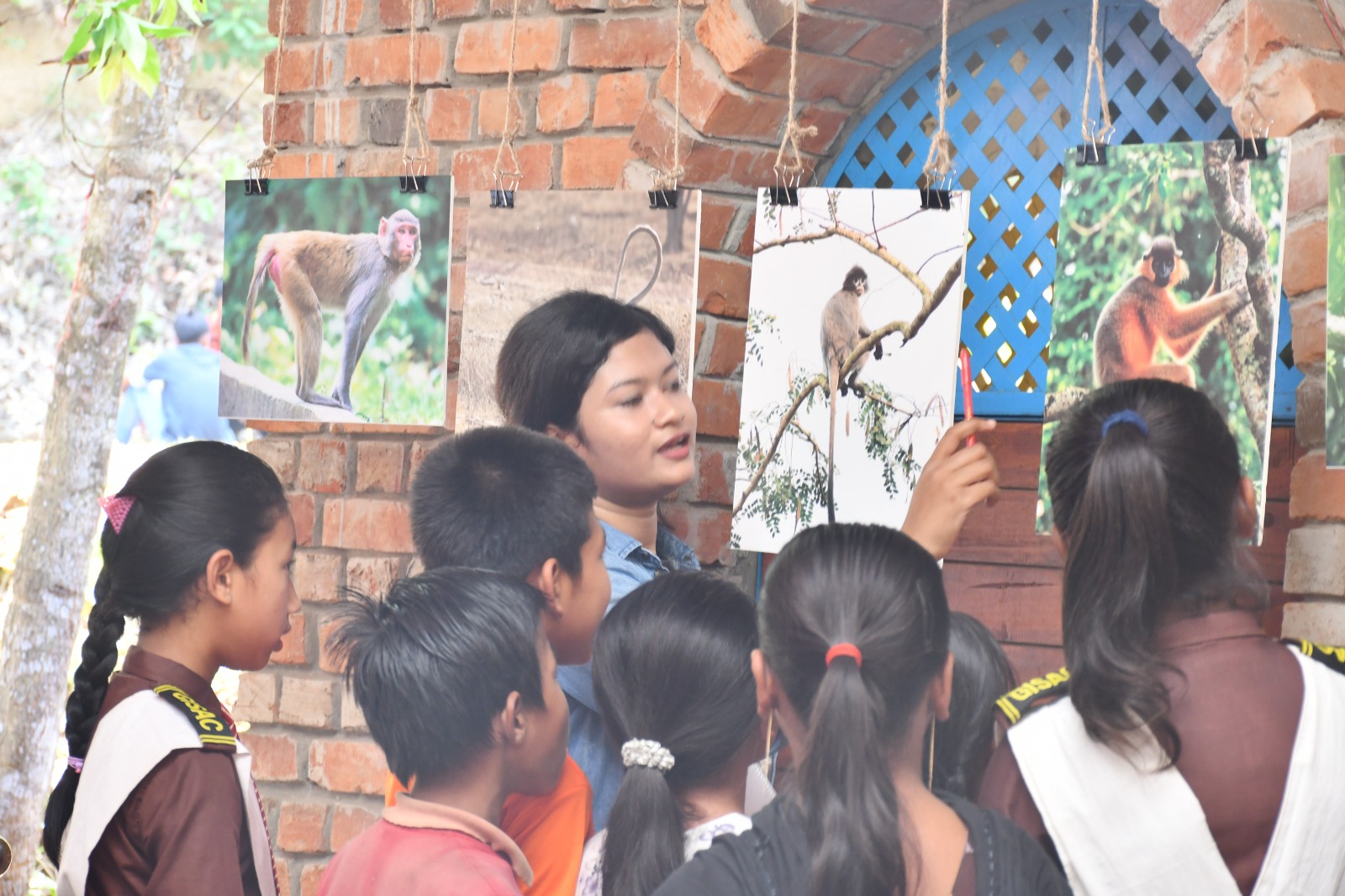
We conduct interactive workshops and awareness campaigns in forest-adjacent communities. These sessions include presentations, discussions, and hands-on demonstrations to educate people about the ecological importance of primates and the threats they face. Campaigns often involve posters, banners, and visual storytelling to effectively communicate with diverse audiences.
In collaboration with local schools, we arrange educational programs tailored to children. These include storytelling, nature-based games, drawing competitions, and guided discussions about slow lorises and other wildlife. Educational materials like activity books and posters are distributed to enhance learning and ensure lasting impact.
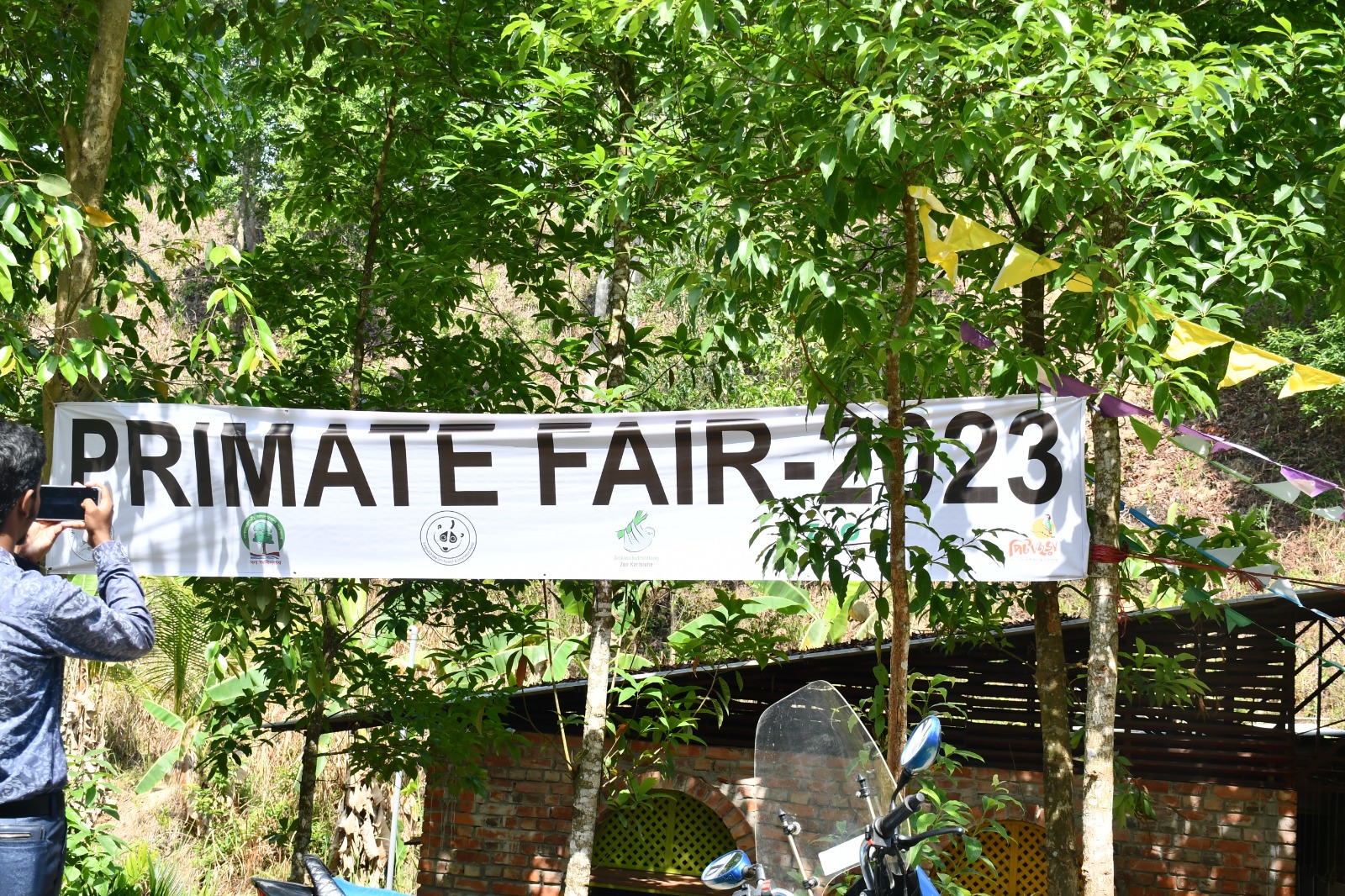
Events such as forest walks, nature festivals, and conservation fairs are organized to bring people closer to nature. These activities help bridge the gap between communities and wildlife, encouraging a sense of stewardship. Cultural elements, like local music or art, are often incorporated to resonate with the participants.
Hands-on training programs are conducted for local stakeholders, including forest department staff, conservation volunteers, and community leaders. These workshops focus on practical skills, such as radio-collar tracking, habitat monitoring, wildlife handling, and rescue techniques. These capacity-building efforts empower local people to actively contribute to conservation efforts.
The project uses digital media, documentaries, and social media platforms to reach a wider audience. Videos and posts showcasing the plight of primates and other wildlife, their ecological importance, and ongoing conservation efforts are shared to engage global supporters and raise awareness.
The project produces resources such as brochures, posters, and videos to support its educational activities. These materials are often bilingual, using both local languages and English to ensure broader accessibility and impact.